I am grateful to Jamie Berthe, who has done scholarly work on Rouch, for her help in finding several of these screen credits.
Renee Lichtig is the only one of the seventeen editors not represented here, but in the full screen credit gallery on the site you can see hers from Le déjeuner sur l’herbe by Jean Renoir.
The screen credits are listed alphabetically by the last name of the editor. When more than one woman is listed, it’s by the first one.
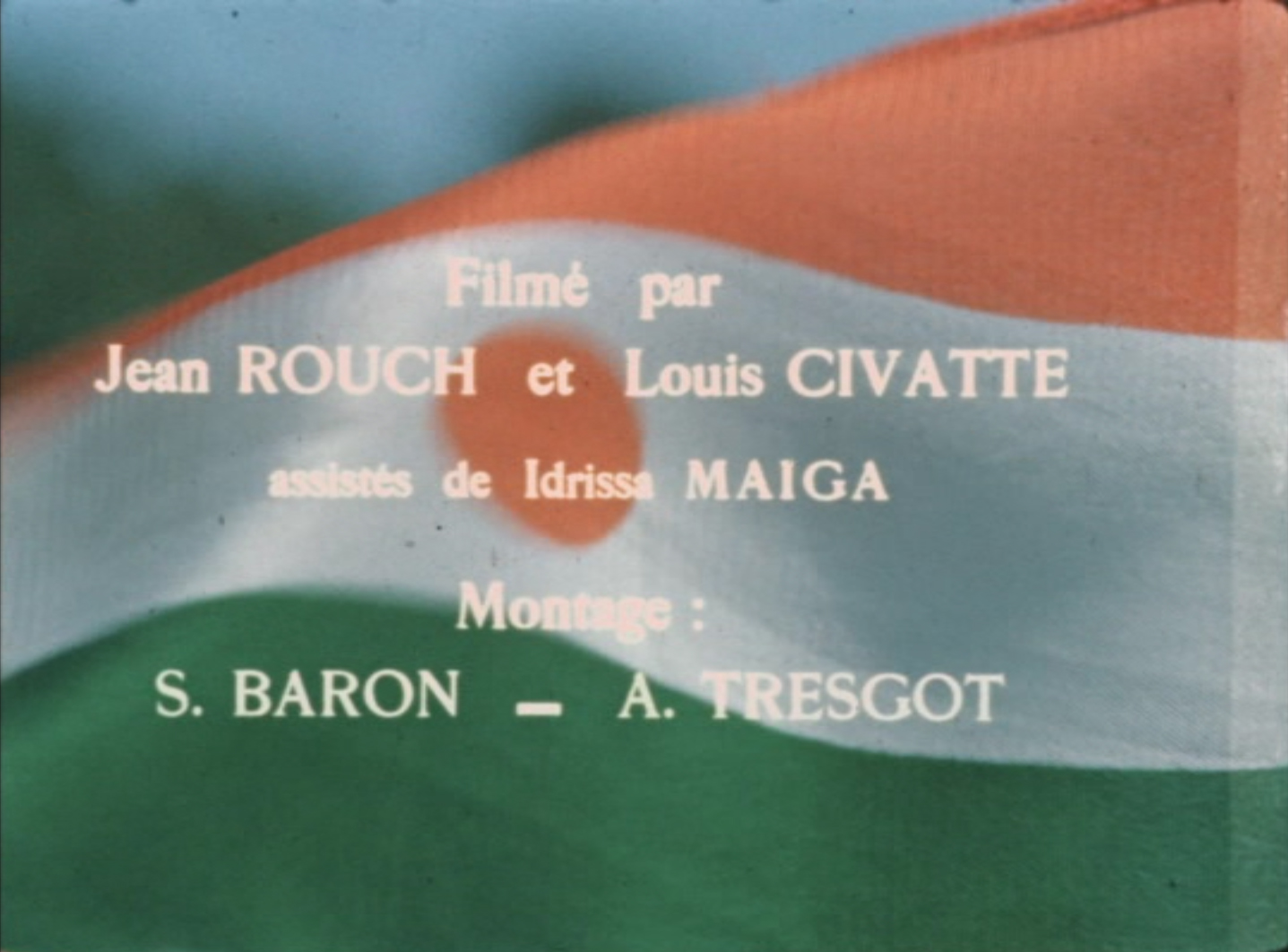
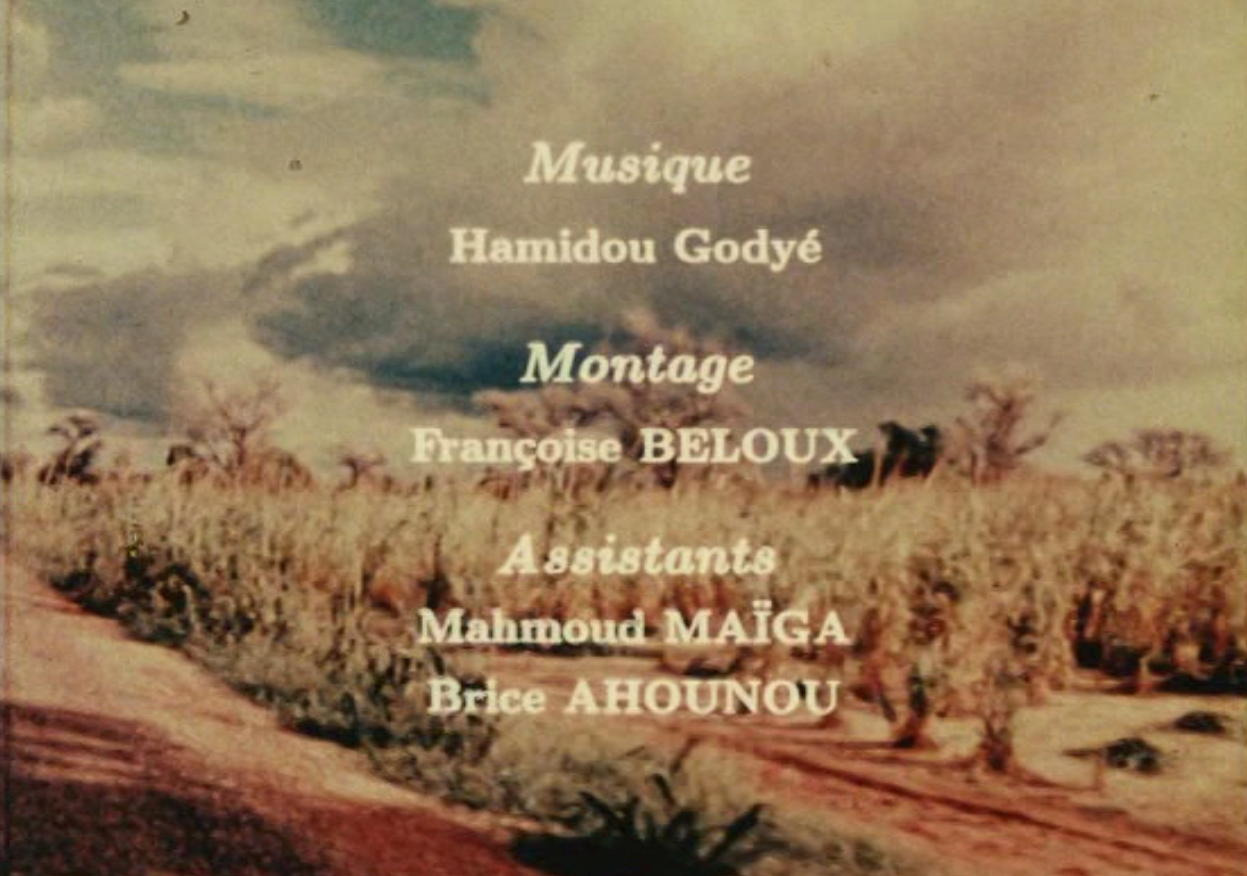
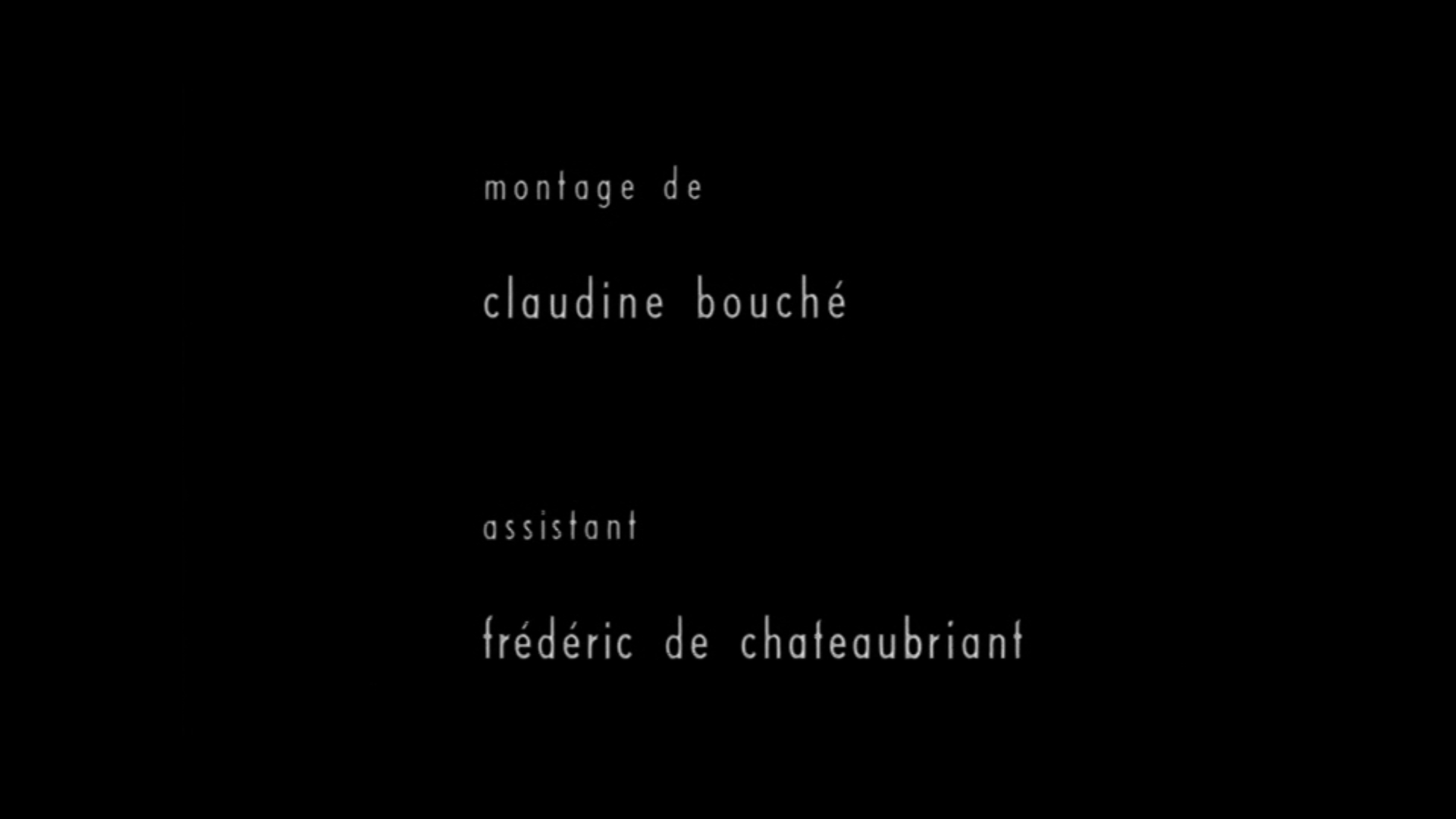
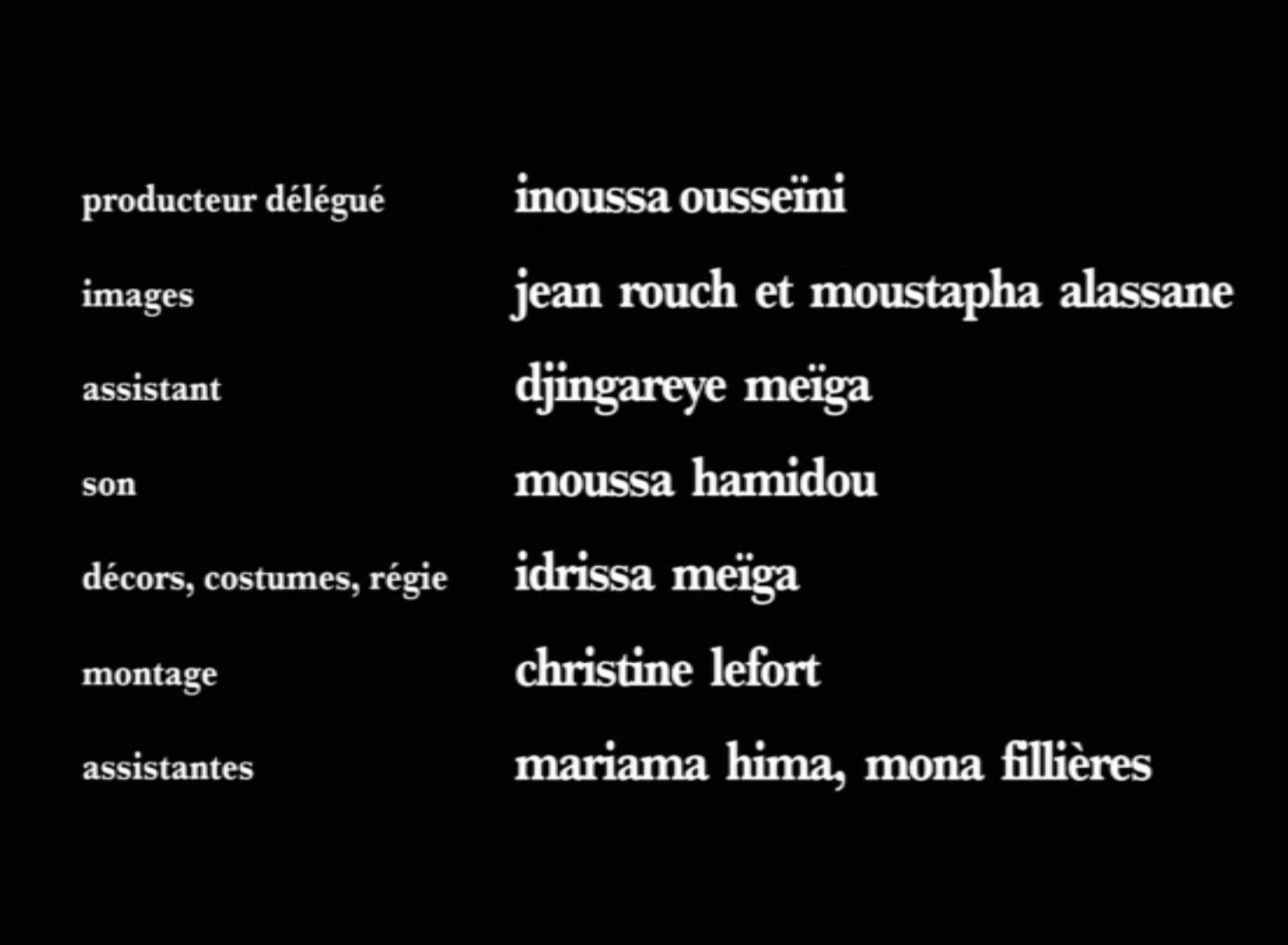
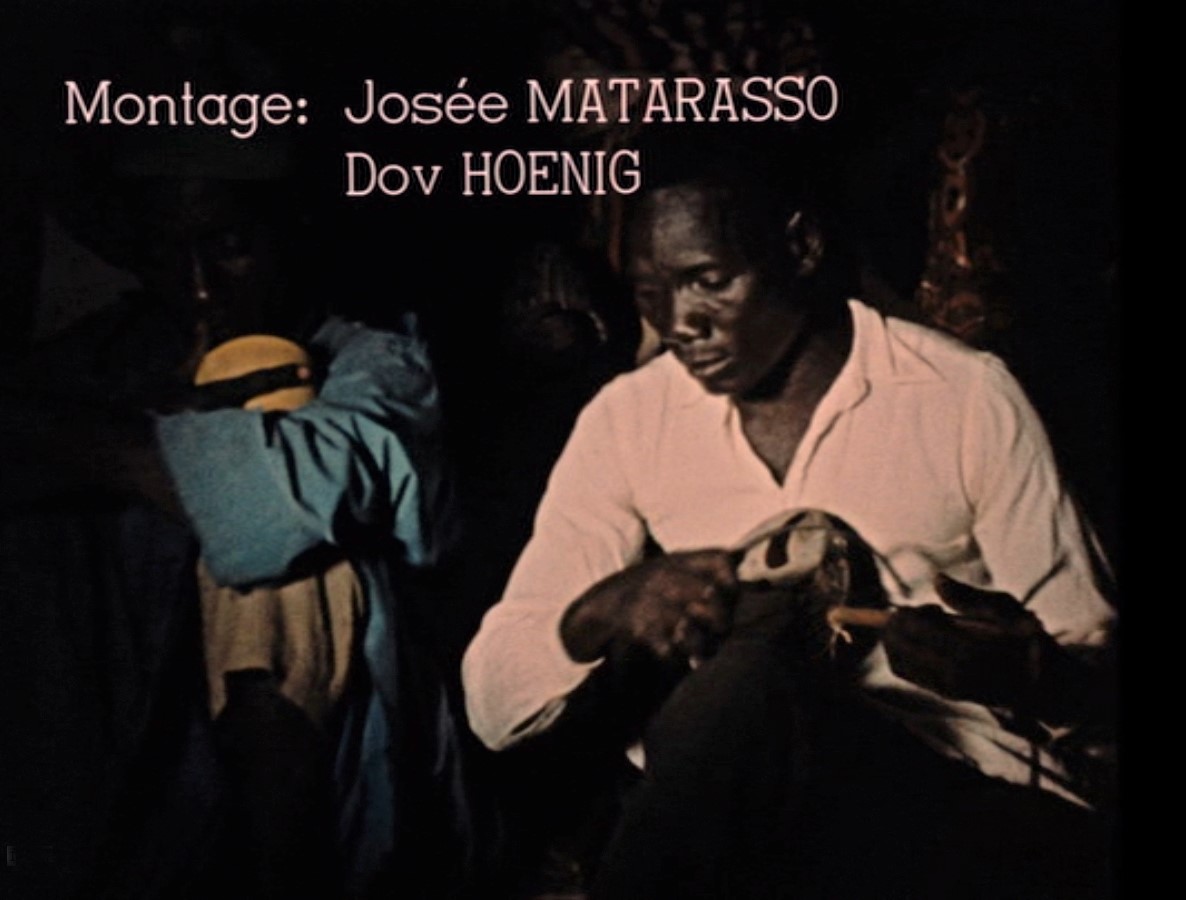
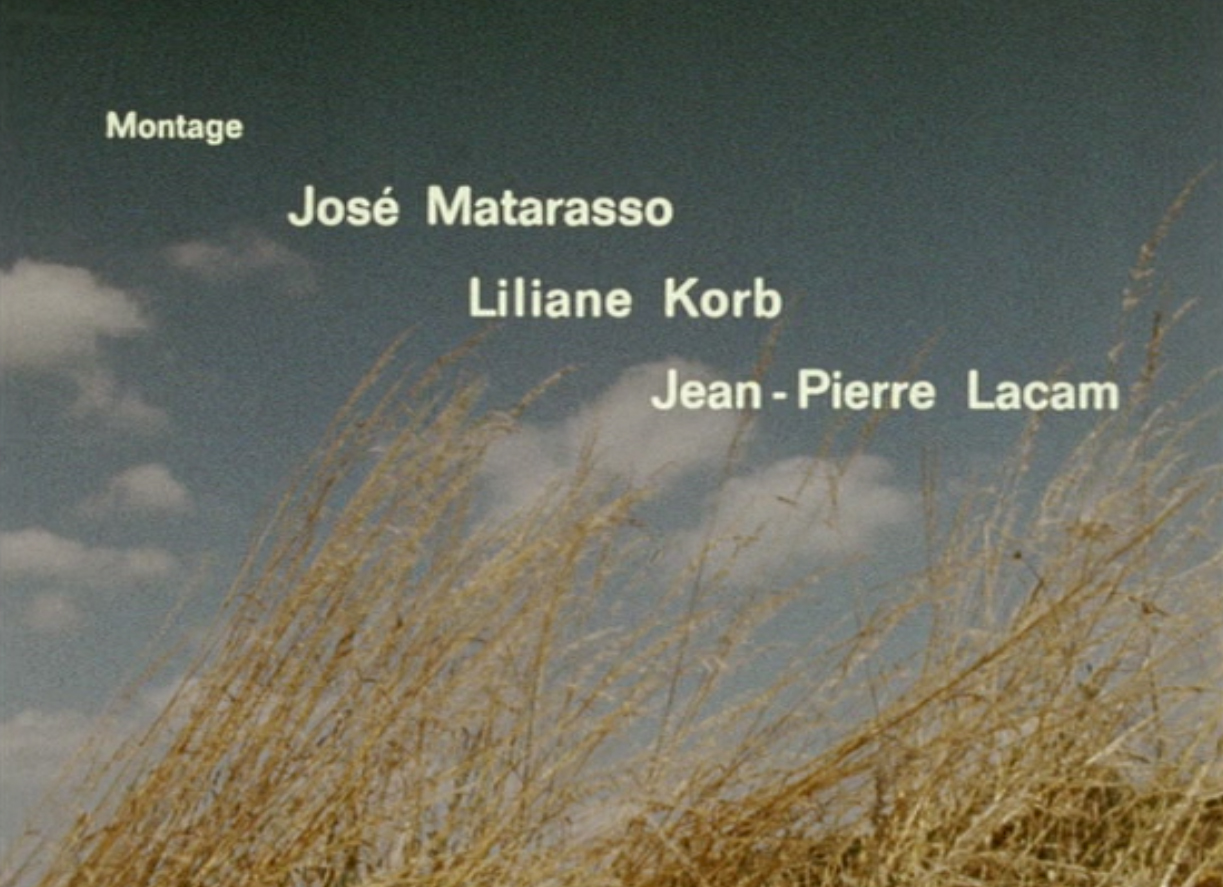
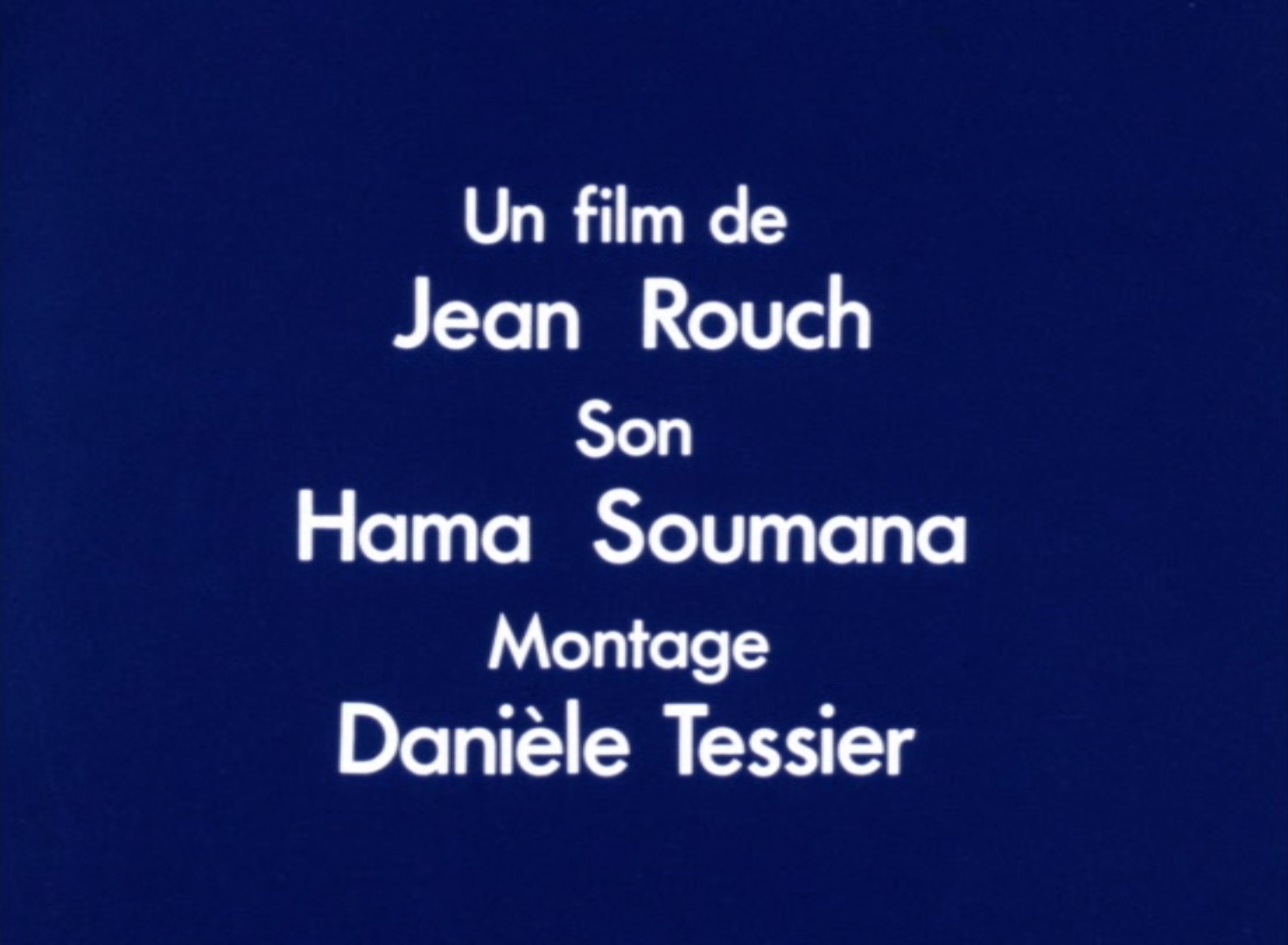
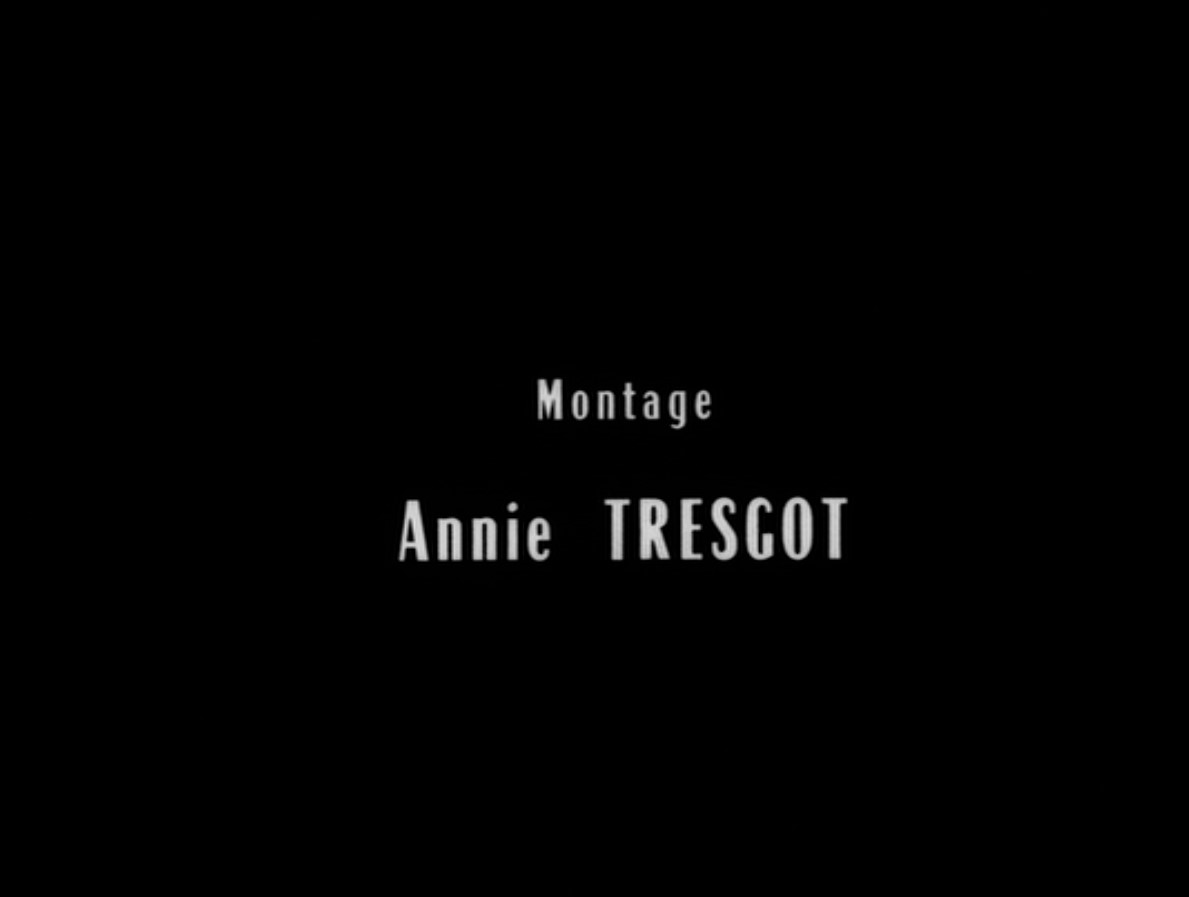
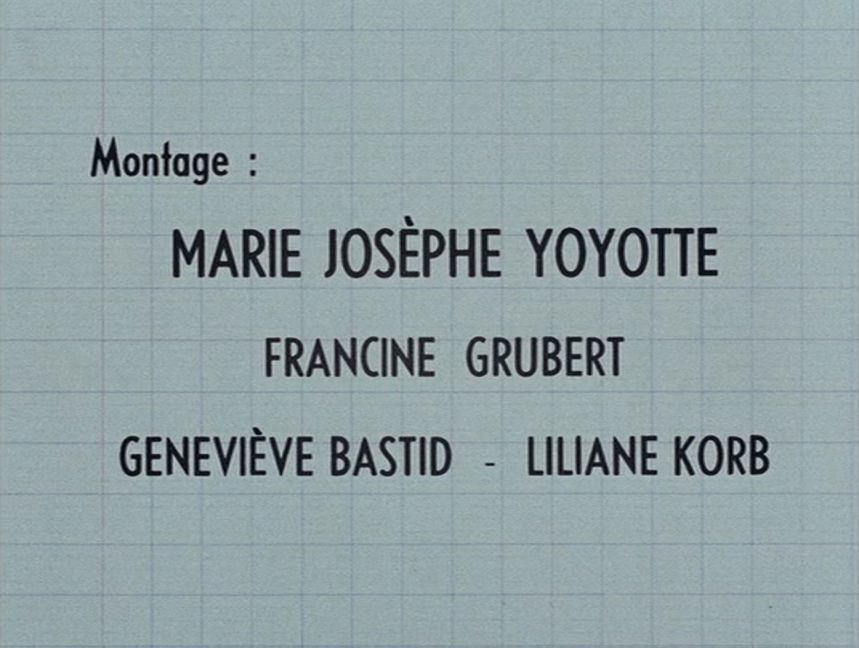
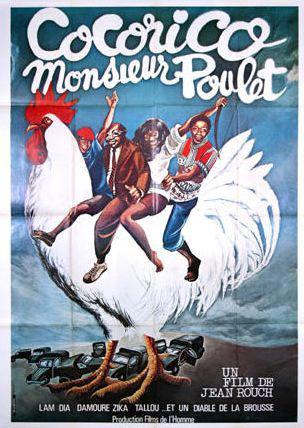
“Chronique d’un été”—”Chronicle of a Summer” (1960) — Directed by Jean Rouch and Edgar Morin — Edited by Jean Ravel, Néna Baratier and Françoise Collin (not Colin)“Les maîtres fous” — “The Mad Masters” (1960) — Directed by Jean Rouch — Edited by Suzanne Baron“Fêtes de l’indépendence du Niger” — “Celebrations of the Independence of Niger” (1962) — Directed by Jean Rouch — Edited by Suzanne Baron and Annie Tresgot“Moi fatigué debout, moi couché” — “I’m tired of standing, I lie down” (1997) — Directed by Jean Rouch — Edited by Françoise Beloux“Les Veuves de quinze ans” (one segment in “La fleur de l’âge”) (1964) — Directed by Jean Rouch — Edited by Claudine Bouché“Babatu, les trois conseils” — “Babatu and Three Wise Counsels” (1977) — Directed by Jean Rouch — Edited by Christine Lefort“Petit à petit” — “Little by Little” (1971) — Directed by Jean Rouch — Edited by Josée Matarasso and Dominique Villain“La chasse au lion à l’arc” — “The Lion Hunters” (1965) — Directed by Jean Rouch — Edited by Josée Matarasso and Dov Hoenig“Jaguar” (1968) — Directed by Jean Rouch — Edited by Josée (not José) Matarasso, Liliane Korb, Jean-Pierre Lacam“Gare du Nord” (one segment in “Paris vu Par”) (1966) — Directed by Jean Rouch — Edited by Jaqueline/Jackie Raynal“Horendi” (1972) — Directed by Jean Rouch — Edited by Danièle Tessier“La punition” — “The Punishment” (1962) — Directed by Jean Rouch — Edited by Annie Tresgot“La pyramide humaine” — “The Human Pyramid” (1961) — Directed by Jean Rouch — Edited by Marie-Josèphe Yoyotte, Francine Grubert, Geneviève Bastid and Liliane Korb
Cut to 13: INTRO TO THE SEVENTEEN EDITORS (AND JEAN ROUCH)
Cut to:
Introduction to the seventeen editors
(and Jean Rouch)
Jean Rouch (1917-2004) is arguably the most renowned maker of ethnographic films in the twentieth century. His filmography spans five and a half decades (1947-2002) and has influenced countless filmmakers. It has also been the subject of intense debate, given its subject matter (primarily several West African cultures) and its maker (a white French man.)
Many books, articles and films have been produced about him. There is also the Comité du Film Ethnographique (CFE), founded in 1953 by Rouch during his tenure at the Musée de l’Homme, which has an annual “Festival international Jean Rouch” with screenings of current and historic ethnographic films.
What hasn’t been well-documented is the fact that the majority of the editors who crafted his films were women. I am indebted to Paul Henley for his book The Adventure of the Real: Jean Rouch and the Craft of Ethnographic Cinema (2009), two chapters of which delve deeply into Rouch’s concepts about editing and talk in some detail about the women who ensured that the hours of film that came back from the field were finally shaped into the films that have made the world talk about Jean Rouch (but not about the editors).
Co-directors are not the subject of this website, but it’s worth making note here of his profound collaboration with Germaine Dieterlen. Her first connection with Rouch was in doing the commentary for a film in 1950, but between 1950-1982 she was the co-director of twenty films “by Jean Rouch,” most notably the Sigui and Dogon films. Dieterlen also appeared in three short documentary portraits which were edited by Françoise Beloux (1935-2010).
If you’re curious about Beloux, or about the women who edited the films shown below, or any of the other editors, please see the next page…