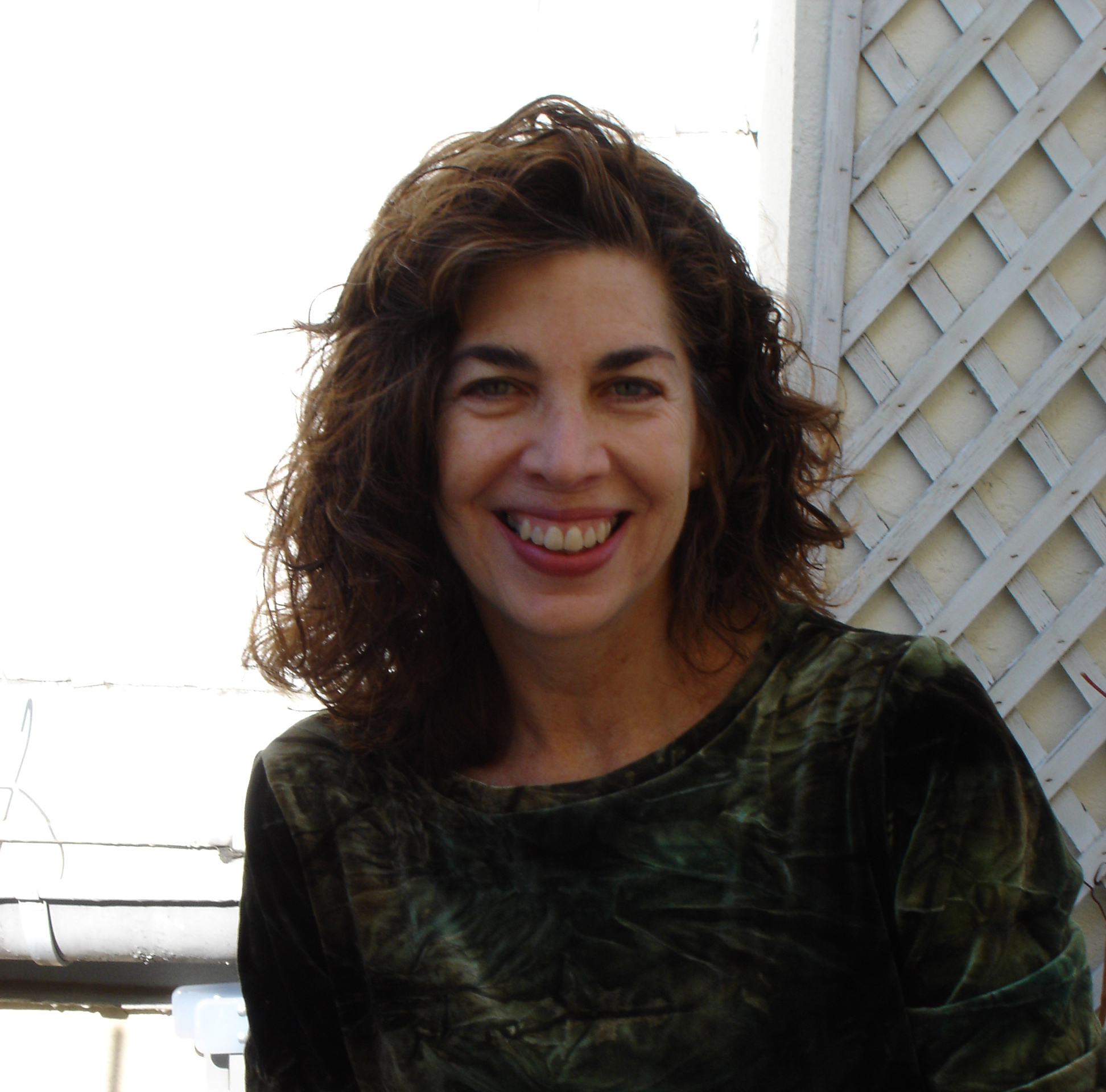
Kim Roberts, ACE
Born 1970
Kim Roberts, ACE, is an editor of feature documentaries who won an “Outstanding Picture Editing for Nonfiction Programming” Emmy for Tricia Regan’s Autism the Musical. She received Eddie Award nominations for Davis Guggenheim’s Waiting for ‘Superman’ and Robert Kenner’s Food, Inc. (which was also nominated for an Oscar). Roberts worked on numerous other prize-winning films, including Jacob Kornbluth’s Inequality for All (Sundance Special Jury Prize), Robert Bahar and Almudena Caracedo’s The Silence of Others (Berlin Int’l Film Festival and numerous other awards), Gail Dolgin and Vicente Franco’s Daughter from Danang (winner of a Sundance Grand Jury Prize and nominated for an Oscar); Kenner’s Two Days in October (Peabody and Emmy winners); Almudena Carracedo’s Made in L.A. (Emmy winner); Megan Mylan and Jon Shenk’s Lost Boys of Sudan (Independent Spirit Award), and Goro Toshima’s A Hard Straight (Grand Prize, SXSW). Other notable films include Kirby Dick’s The Hunting Ground, Grace Lee’s American Revolutionary: The Evolution of Grace Lee Boggs, and Deborah Hoffmann and Frances Reid’s Long Night’s Journey Into Day. She co-edited the film with Hoffman, who she credits as being her mentor. Roberts received her Masters Degree in Documentary Film Production from Stanford University, and won a Student Academy Award.

“…because I work on a lot of “issue films,” I work with a lot of graphics, which is also something that has changed a lot since I’ve been editing….and I always work with assistants who know After Effects because the graphics people don’t come in until the very end usually. So I work with my assistant to temp out graphics all the time, to try to make things more digestible…And then the graphics person takes it to the next level….So I guess it’s that combination of paper cutting with your scripts via ScriptSync; trying to keep a hold of the archival, that’s always a real challenge, you know, carefully organizing it with your bins; and then trying to simplify it and add graphics.”
—From The International Documentary Association’s Doc U seminar: The Editing Process—Kim Roberts on “Inequality for All”. The full video can be found in the Appendix.

“There’s a lot of joking among editors about our willingness to be alone in a room with a computer, not seeing the sunlight,” said Ms. Roberts, who is married with children. “But there’s something in my personality that wanted something more secure, where I didn’t have to hustle and I could have a family and go home and have dinner with them every night.”
—“The ‘Invisible Art’: A Woman’s Touch Behind the Scenes—Kim Roberts, Kate Amend and Other Female Film Editors” by John Anderson. The full text can be found in the Appendix.