Claire Simpson
No birth date available.
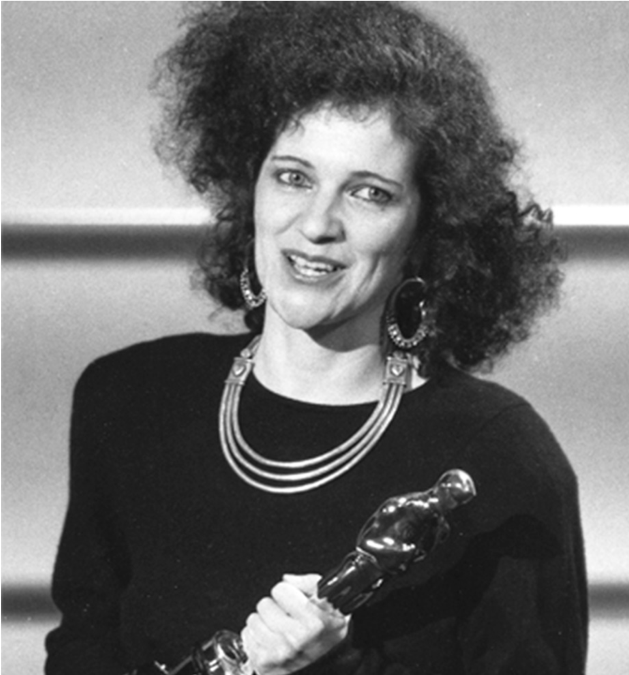
Simpson was first mentored by Dede Allen as an assistant editor on Reds. She edited three films for Oliver Stone (Platoon, Wall Street, Salvador) and won an Oscar, an ACE, and a BAFTA for Platoon. Simpson also won a BAFTA for Meirelles’s The Constant Gardener. She has worked with Steven Daldry (The Reader), Kimberly Peirce (Stop-Loss), Thomas Vinterberg (Far From the Madding Crowd), and numerous other directors. Recently, as the editor of Ridley Scott’s All the Money in the World, Simpson had to recut the entire film to replace Kevin Spacey with Christopher Plummer.
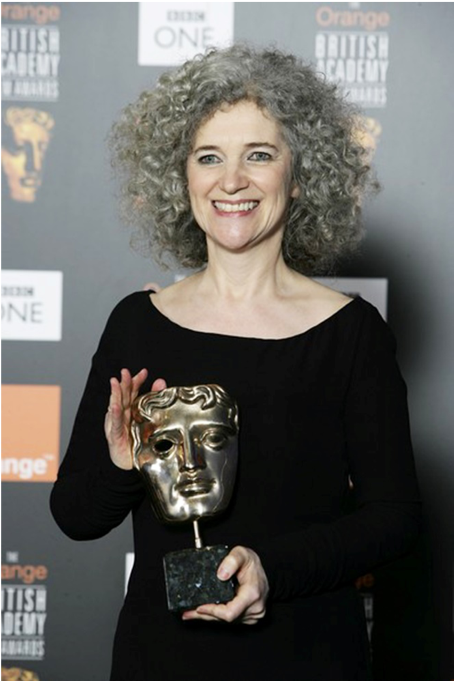
“Cutting rooms are only dark and gloomy places if you make them so. Hard work, educated taste, sharp instincts and a flare for the absurd have been essential to my career as an editor as well as important ingredients for my life. And never underestimate the value of good luck. I know many extraordinarily talented people who have not been lucky enough to win an Academy Award. Don’t get me wrong, it was remarkably validating to win. But what really counts is to face every working day with the guts to be honest both with your director and with the material you’re working with. If you can’t do that, don’t take the job.”
— “The Closest Thing to Alchemy,” interview by Jennifer M. Wood. The full text can be found in the Appendix.


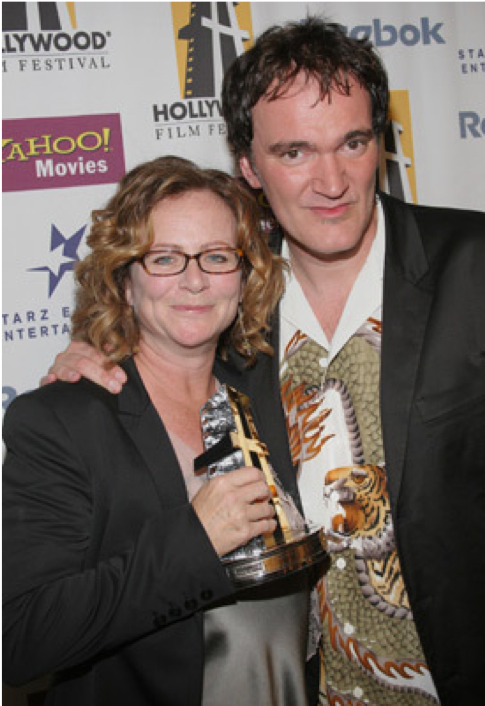
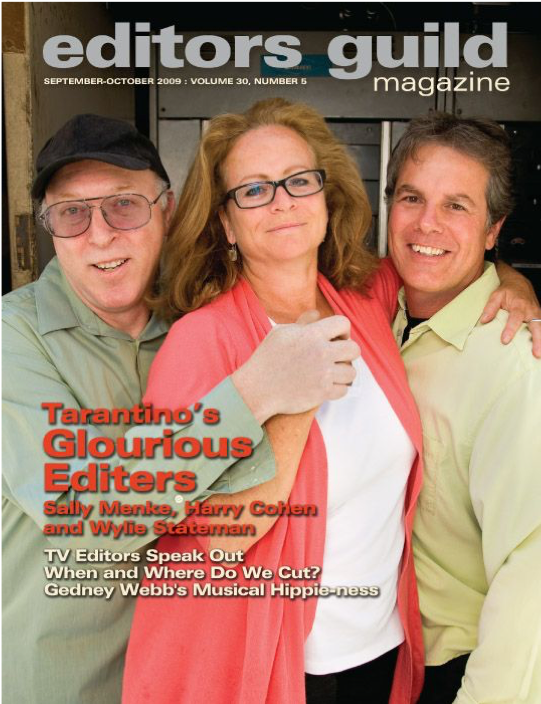
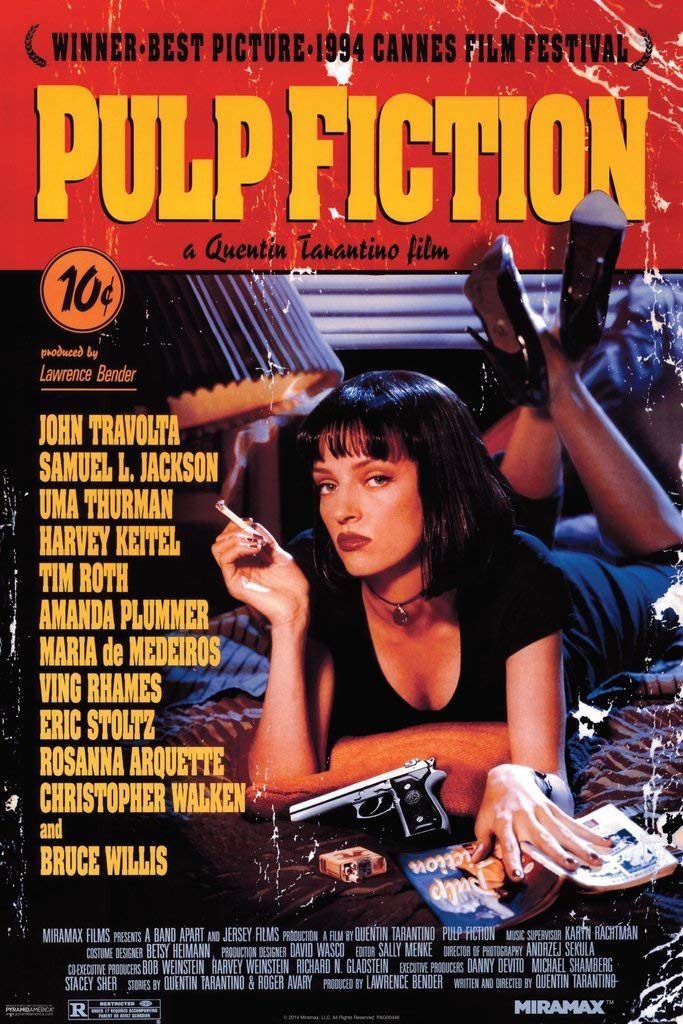
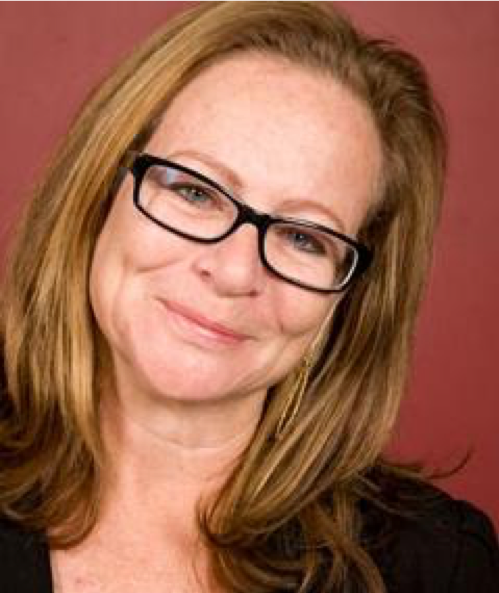 Sally Menke, ACE began editing both documentaries and narratives in 1980. She worked on Tarantino’s first film Reservoir Dogs in 1992 and went on to edit six more of his films before her untimely death at age fifty-six. In combination, Reservoir Dogs, Pulp Fiction, Jackie Brown, Kill Bill: Vol. 1 and Vol. 2, and Inglourious Basterds earned Menke ten best editing wins, including a Hollywood Film Award and an EDA. She also received twenty-five nominations, including two for Oscars, three for BAFTAs, and two for Eddies. She edited films by other directors, including Mullholland Falls for Lee Tamahori and All the Pretty Horses for Billy Bob Thornton, but her work with Tarantino was central to her career—and his. He summarized their working relationship in 2007 by saying that Menke was his “only, truly genuine collaborator.”